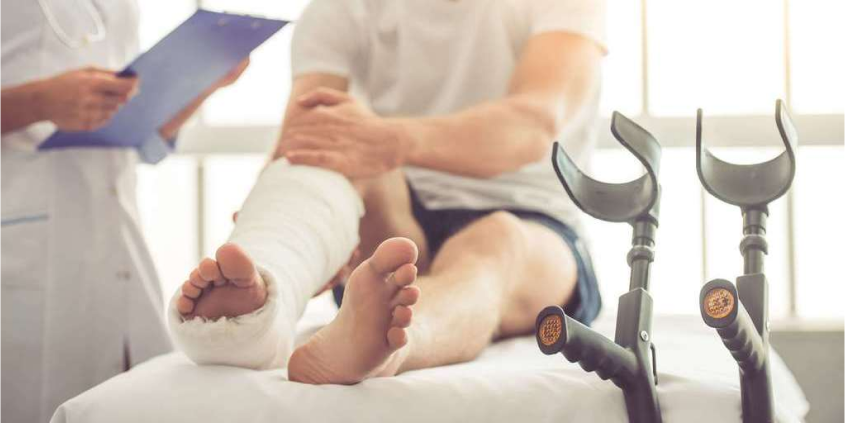
Being involved in a motor vehicle accident can be traumatic, mentally and physically. In most cases, the injuries heal, bruises fade, and you begin to lose the fear that can linger. Sometimes, however, accident-induced chronic pain can have life-altering effects.
If you’ve been in an accident and the pain you experienced hasn’t gone away after a reasonable amount of time, you may be experiencing chronic pain. The intense pain can also cause psychological issues.
Understanding Accident-Induced Chronic Pain
Being involved in a motor vehicle accident can be traumatic, mentally and physically. In most cases, the injuries heal, bruises fade, and you begin to lose the fear that can linger. Sometimes, however, accident-induced chronic pain can have life-altering effects.
If you’ve been in an accident and the pain you experienced hasn’t gone away after a reasonable amount of time, you may be experiencing chronic pain. The intense pain can also cause psychological issues.
Chronic Pain
Physical and psychological effects
It can be hard to separate the mental and emotional effects of chronic pain and fibromyalgia from the physical pain.
Let’s look at some of the issues, mental and physical, that you may have to deal with if you have chronic pain as the result of an accident:
— Inability to concentrate or complete normal tasks. At times, the pain can be so intense that you may have trouble concentrating on what you’re doing. It can also keep you from performing your work duties. — Memory problems. The extreme pain can be distracting enough to cause you to forget important information. — Sleeplessness. Protracted, excessive pain can prevent you from getting the rest you need. Lack of sleep can have significant negative health effects of its own. — Anxiety. A traumatic event like an accident, combined with the lingering severe pain can cause nervousness, restlessness, and a generalized sense of anxiety. — Depression. It’s common for people who experience chronic pain and fibromyalgia to become depressed due to the feelings of hopelessness associated with not getting any relief. If you begin to experience any symptoms of depression, it’s important to talk to your doctor or healthcare professional. — Stress. The burden of dealing with life-altering pain can bring a considerable amount of stress, especially in combination with medical bills and the loss of income associated with time off from your job or an inability to perform your work at all anymore.
If you or someone you love has been injured in an accident and you’re suffering from chronic pain, you may want to find a reputable catastrophic injury lawyer because you could be entitled to monetary compensation that will help cover the costs of your expensive treatments.
The partners at Yegendorf and Associates are ready to talk with you and determine if you should be claiming compensation for suffering, loss of income, and out-of-pocket expenses.
What Steps Should You Take if You’re Involved in a Car Accident?
Whether you’re walking or driving the streets and roads of Ontario, your safety and the safety of others should be paramount.
No matter how careful you are, accidents can still happen.
Do you know what to do if it happens to you?
It’s important to know what actions you need to take if you find yourself in the unfortunate position of being a victim of an accident.
What to do, if you’re involved in an accident, it’s in your best interest to follow some guidelines. Not only for your physical benefit but also financial.Following the correct procedures can affect your eligibility for insurance benefits.
Here’s what you need to do:
- Step 1: Get the necessary medical assistance. Obviously, your well-being is the most important factor!
- Step 2: File a police report. It’s best if this can be done at the scene but if it can’t, do it as soon as possible, even if it’s at the hospital.
- Step 3: Call your insurance company. You should make your insurance company aware of your accident right away but definitely within seven days.
- Step 4: Collect information and keep records. Keep all receipts related to medical expenses and record the names and contact information for anyone who was a witness to the accident. It’s also a good idea to keep an “œinjury journal” to track how much time you spend taking care of your injuries. Be sure to include how those injuries have affected your day to day life. All of this information will be helpful when you are filing a claim.
- Step 5: Contact your lawyer. Ideally, this should be done before speaking to any insurance adjusters. A personal injury lawyer can help you with the necessary forms for filing a claim or receiving benefits. The deadline to apply for accident benefits is within 30 days.
It’s possible that you could qualify for accident benefits no matter who is at fault.
No-fault benefits
Depending on your policy, your no-fault benefits may include:
- Compensation for lost income. Up to 70% of your gross salary may be available to you. This benefit may be remitted for two years or more depending on when you’re able to go back to work among other factors.
- Non-earner benefits may be obtained by those who are unemployed at the time of the accident. If you are deemed unable to carry on with your normal life, this benefit will usually be available six months after the injury.
- Up to $50,000 for medical and rehabilitation expenses. This amount may be increased up to $1 million if you suffer catastrophic injuries.
- Attendant care benefits. Nursing services may be provided if your injuries are severe enough to require this type of monitoring.
- Death benefits could be available to your surviving spouse or dependents should you be involved in an accident that resulted in your death.
It’s important that you understand what you or your family may be entitled to in the unfortunate event that you’re in an accident.
Safety tips
Though there are events that are unavoidable, it’s a good idea to consider the steps you can take to keep yourself safe, especially if you’re a pedestrian, the time when you’re most vulnerable to injury.
Remember these tips:
- Make eye contact with drivers to ensure they’ve seen you before you cross the street.
- Step back when there’s a truck taking a turn even if you, as the pedestrian, have the right of way.
- Avoid jaywalking.
- If you have to walk on the shoulder of the road, make sure you’re facing traffic.
- Avoid texting or looking at your phone while you’re walking, especially when crossing.
Take all the precautions you can to keep yourself safe!
If an accident does happen, take the necessary steps to care for yourself and ensure you receive the benefits to which you’re entitled.
Contact an Ottawa personal injury lawyer to get the help you need!